
Panchakarma — literally “five actions” — is Ayurveda’s classical system of purification. Where most Ayurvedic care works by gently pacifying an imbalanced dosha with diet, routine and herbs (shamana), Panchakarma belongs to shodhana: therapies designed to loosen accumulated waste (ama) and excess dosha from the tissues and move it out of the body through its natural channels.
The three phases
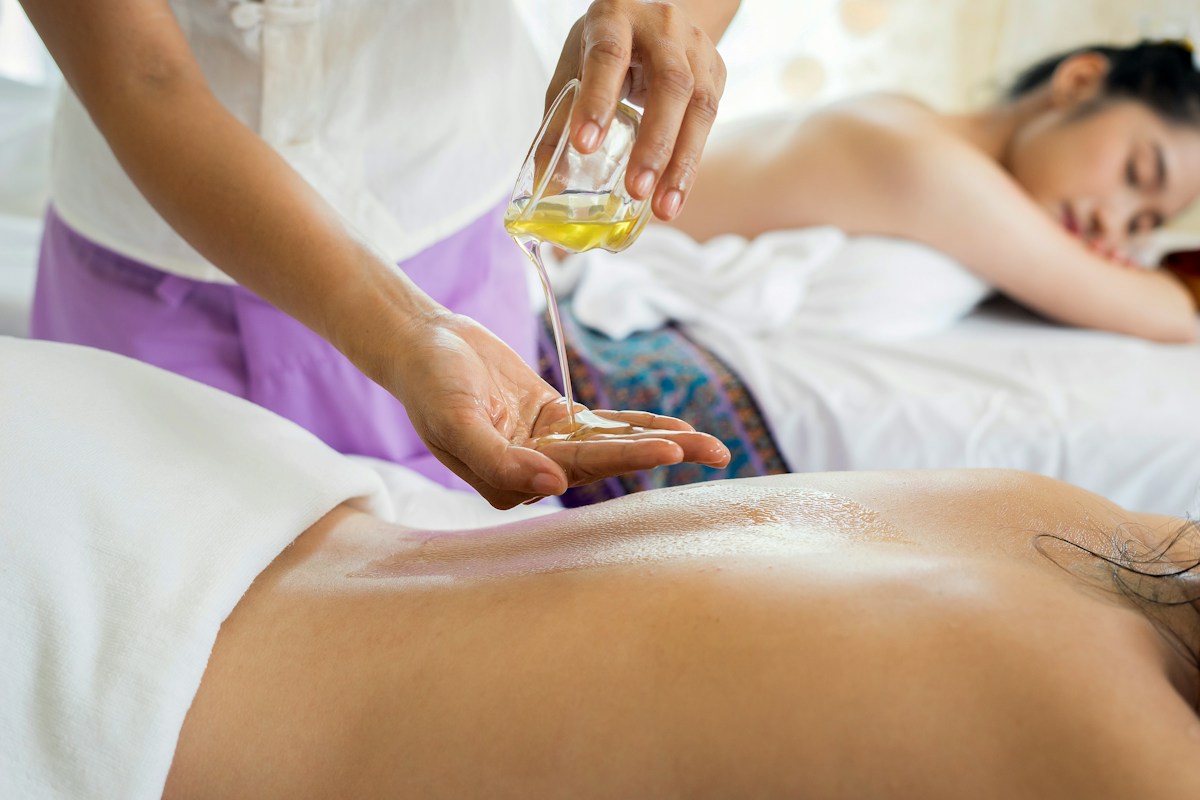
A classical course is never just the five procedures. It begins with purvakarma, the preparation. Snehana (oleation) saturates the body with medicated ghee taken internally and warm oils applied externally in abhyanga massage. Swedana (therapeutic sweating), often with herbal steam or warm poultices (kizhi), then softens and mobilises what has been loosened. This preparation is considered essential: the texts compare it to soaking a sticky pot before washing it.
Pradhanakarma is the main procedure, chosen for the individual. Paschatkarma, the aftercare, is just as important — a carefully graded diet (samsarjana krama) that rebuilds digestive fire step by step, from thin rice gruel back to normal meals, followed by rasayana (rejuvenative) support.
The five actions
Vamana — therapeutic emesis, traditionally used for Kapha conditions of the chest and stomach. Virechana — guided purgation, the classic therapy for Pitta, acting on the liver and small intestine. Basti — medicated enemas of decoctions or oils, considered the most important therapy for Vata, which is seated in the colon. Nasya — administration of medicated oils or powders through the nose for conditions of the head and neck. Raktamokshana — bloodletting, today practised in limited forms such as leech therapy (jalaukavacharana) for certain skin and circulatory conditions.
Ayurveda does not see Panchakarma as a spa detox but as a medical procedure — one that should be prescribed, supervised and followed up.
Who it is — and isn’t — for
Practitioners assess strength (bala), digestive capacity (agni), age, season and the nature of the imbalance before advising any course. Panchakarma is generally avoided in pregnancy, during acute illness or fever, in the very young, elderly or frail, and with several chronic conditions. Courses in Kerala traditionally run 14–28 days, with rest, simple food and limited activity throughout.
If you are considering Panchakarma, choose a centre with qualified (BAMS or equivalent) physicians, ask what each day will involve, and share your full medical history and medicines. It is a complement to, not a replacement for, care from your doctor.