
Introduction: More Than a System of Medicine
Ayurveda occupies a distinctive place in India's cultural, medical and intellectual history. For generations, families have relied on traditional knowledge about food, herbs, oils, massage, daily routines and seasonal practices to support their health and well-being.
The word Ayurveda comes from the Sanskrit words Ayus, meaning life or lifespan, and Veda, meaning knowledge. It is commonly translated as the knowledge or science of life.
Unlike an approach concerned only with treating an immediate symptom, classical Ayurveda presents health as a relationship among the body, mind, behaviour, food, daily activities and environment.
Its teachings address fundamental questions:
• How do food and lifestyle influence well-being?
• Why do individuals experience illness differently?
• How do sleep, exercise, work and emotional stress affect health?
• What role can plants, oils and other natural substances play in care?
• How should people adapt their habits to different seasons and stages of life?
• How can illness be prevented and quality of life maintained?
Ayurveda combines a philosophical understanding of life with an extensive historical collection of medicinal formulations, physical procedures, dietary recommendations and health practices.
Today, Ayurveda is practised in hospitals and clinics, taught in educational institutions, studied by researchers, used in homes and featured in wellness centres across India and internationally.
Kerala holds a particularly important position in this history. Its forests, medicinal plants, scholarly traditions, physician families and distinctive treatment practices have made the state one of the best-known destinations associated with Ayurveda.
To appreciate Ayurveda fully, it is important to understand both its considerable historical significance and the distinction between traditional beliefs and benefits demonstrated through modern scientific research.
1. The Origins and History of Ayurveda in India
Ancient roots
Ayurveda developed over many centuries through India's evolving medical, philosophical and cultural traditions.
Traditional narratives trace its knowledge to divine origins, particularly Brahma, Dhanvantari and the ancient sages. These accounts remain important within the cultural and spiritual history of Ayurveda.
Historical scholarship, however, distinguishes these traditional accounts from the documented development of medical knowledge.
Early Indian literature, including Vedic texts, contains references to diseases, medicinal plants, healing rituals and human well-being. More systematic Ayurvedic medical literature developed subsequently through multiple generations of scholars and practitioners.
Ayurveda was not created on a single date by one individual. It emerged as a complex body of knowledge that was collected, revised and transmitted over centuries.
The great classical texts
Three major Sanskrit works provide important foundations for the study of Ayurveda.
Charaka Samhita
The Charaka Samhita is particularly associated with internal medicine, diagnosis, disease processes, nutrition, lifestyle and medical ethics.
It discusses the responsibilities of physicians, methods of examining patients, medicinal substances and the importance of considering the individual's circumstances.
Sushruta Samhita
The Sushruta Samhita is renowned for historical descriptions of surgery, wounds, instruments, anatomical observations and operative procedures.
Its descriptions of reconstructive procedures and surgical instruments occupy an important place in the history of medicine.
These historical accounts should not be understood as evidence that ancient techniques are equivalent to modern surgery, anaesthesia, infection control or surgical outcomes.
Ashtanga Hridaya
Traditionally associated with the scholar Vagbhata, the Ashtanga Hridaya brings together principles and treatment practices across the major branches of Ayurveda.
It became particularly influential in Kerala, where generations of practitioners studied, memorised and interpreted its verses.
The eight branches of classical Ayurveda
Traditionally, Ayurveda describes eight broad disciplines, often referred to as Ashtanga Ayurveda.
1. Kayachikitsa: Internal medicine and systemic diseases. 2. Kaumarabhritya: Child health, with associated maternal and reproductive traditions. 3. Shalya Tantra: Surgery and the treatment of injuries. 4. Shalakya Tantra: Conditions affecting the eyes, ears, nose, throat and related structures. 5. Agada Tantra: Toxicology and poisoning. 6. Bhuta Vidya: Historical approaches to mental and behavioural disturbances, including concepts tied to traditional cosmology. 7. Rasayana: Rejuvenation, longevity and maintenance of vitality. 8. Vajikarana: Reproductive and sexual health.
These classifications demonstrate the breadth of subjects studied by classical Ayurveda. They are historical medical categories rather than evidence that Ayurveda can independently and effectively treat every condition within them.
Transmission across generations
For much of its history, Ayurveda was taught through the relationship between teacher and student.
Knowledge was transmitted through oral instruction, Sanskrit texts, regional commentaries, apprenticeships and practical experience.
Indian medicinal knowledge also developed through interactions among physicians, agricultural communities, forest-dwellers, traders, local healers and specialists.
This exchange helped produce a diverse medical culture rather than one completely uniform tradition.
2. The Fundamental Philosophy of Ayurveda
Ayurveda understands the human being as part of a larger natural environment.
Its concepts describe the relationships among physical characteristics, bodily processes, mental states, diet, seasons and patterns of living.
Panchamahabhuta: The five elements
Classical Ayurveda describes five foundational elements:
• Prithvi — Earth
• Jala — Water
• Agni — Fire
• Vayu — Air
• Akasha — Space
In classical thought, these elements represent qualities and processes rather than the chemical elements of modern science.
The three doshas
One of Ayurveda's best-known concepts is the Tridosha system.
Vata
Traditionally associated with movement, communication, respiration and other dynamic functions.
Pitta
Associated with transformation, digestion, heat and metabolic processes.
Kapha
Associated with stability, lubrication, structure and support.
Ayurvedic practitioners traditionally interpret health and illness partly through the relative qualities and balance of these three doshas.
However, doshas are classical explanatory concepts. They are not established biological entities comparable to measurable hormones, organs or laboratory biomarkers.
Prakriti and Vikriti
Prakriti refers to an individual's traditionally understood constitutional characteristics.
Vikriti describes changes or imbalances interpreted within the Ayurvedic framework.
Practitioners may consider these concepts alongside age, habits, diet, environment and symptoms when developing a traditional treatment plan.
Agni: The concept of digestive transformation
Agni is often translated as digestive fire.
In Ayurveda, it represents processes associated with digestion and transformation of food.
Modern nutrition and gastroenterology explain digestion through enzymes, hormones, the gastrointestinal tract, metabolism and microbiology. Although some Ayurvedic dietary recommendations may overlap with healthy eating practices, Agni should not be presented as a scientifically validated substitute for these mechanisms.
3. Ayurveda and the Importance of Daily Living
One of Ayurveda's enduring features is its attention to routine.
Traditional teachings encourage people to consider the timing and quality of meals, daily activity, sleep and seasonal changes.
Dinacharya: Daily routine
A traditional daily routine may include:
• Maintaining regular sleeping and waking hours.
• Washing and oral hygiene.
• Gentle physical activity.
• Attention to food quality and mealtimes.
• Periods of relaxation and mental quiet.
• Personal hygiene and skin care.
• Avoiding prolonged inactivity and excessive strain.
Many of these practices overlap with broadly accepted principles of health promotion, although Ayurveda's traditional explanations for them may differ from contemporary scientific explanations.
Ritucharya: Seasonal routine
Ritucharya refers to adjustments in habits according to the seasons.
In India's varied climates, seasonal changes affect activity, food availability, hydration, exposure to insects and infectious disease risks.
In Kerala, the monsoon has long played a special role in traditional wellness culture.
The rainy season is associated with dietary modifications, medicated oils and structured treatment programmes.
These traditions are culturally significant, but there is insufficient evidence that monsoon treatments are inherently more medically effective than treatments provided in other seasons.
Ayurveda and food
Ayurvedic dietary traditions often emphasise freshly prepared food, variety, moderation and individual tolerance.
Spices and food ingredients frequently discussed include ginger, turmeric, cumin, coriander, fennel, pepper and cardamom.
Some are sources of compounds studied for biological activity.
However, the benefits of using these ingredients in ordinary cooking should be distinguished from claims about high-dose extracts or medicinal preparations.
A healthy dietary pattern also requires adequate protein, fibre, vitamins, minerals and appropriate energy intake.
People living with diabetes, kidney disease, liver disease, food allergies or other conditions may need individually tailored dietary guidance.
4. Kerala: A Historic Centre of Ayurveda
Kerala's association with Ayurveda is one of the most recognisable features of the state's health and cultural heritage.
The region's tropical climate, traditional knowledge of medicinal plants, local treatment techniques and historical physician communities contributed to the development of a distinctive regional practice.
The influence of geography
Kerala is home to diverse ecosystems, including coastal plains, wetlands, agricultural landscapes and the Western Ghats.
These environments contain many species of medicinal and aromatic plants.
Historically, access to local botanical resources supported traditional preparation of oils, decoctions, powders and compound medicines.
Kerala's connection to maritime trade also enabled the exchange of ingredients and ideas.
The Ashtavaidya tradition
The Ashtavaidyas were hereditary physician families associated with mastery of the eight branches of Ayurveda.
Their contribution extended beyond clinical practice to teaching, writing, commentary and preserving traditional knowledge.
Historical research describes how Sanskrit textual traditions interacted with regional plant knowledge and local treatment practices.
The Ashtavaidya tradition is especially associated with parts of central Kerala and the historical cultural environment of the Nila River region.
The importance of Ashtanga Hridaya
The Ashtanga Hridaya became particularly important in Kerala's Ayurvedic education.
Physicians studied its verses alongside practical training and regional commentaries.
Malayalam medical writings and practical treatment manuals helped make knowledge accessible beyond Sanskrit scholarship.
Traditional Kerala treatment techniques
Kerala became particularly associated with external therapies involving herbal oils, heated medicinal preparations, massage, poultices and specialised treatment arrangements.
Some techniques evolved through regional innovations and interactions with local healing traditions.
Practices such as Pizhichil, Njavarakizhi, Podikizhi and Shirodhara are now widely recognised in Ayurveda centres.
Ayurveda institutions and pharmacies
Kerala has played an important role in formal Ayurvedic education, institutional treatment and commercial medicine production.
Established Kerala institutions, including Kottakkal Arya Vaidya Sala and Vaidyaratnam, have contributed to the preservation and wider distribution of Ayurvedic formulations and education.
The state also has government Ayurveda hospitals, dispensaries, educational colleges, research facilities and private treatment centres.
Modern visitors should distinguish properly registered medical establishments from businesses offering wellness and spa experiences without qualified medical supervision.
5. Traditional Ayurveda Treatments and Their Methods
Ayurvedic treatment is not a single procedure.
A practitioner may traditionally recommend a combination of dietary changes, oral formulations, external therapies, rest and lifestyle measures.
The selected methods depend on the clinical setting, practitioner and purpose of treatment.
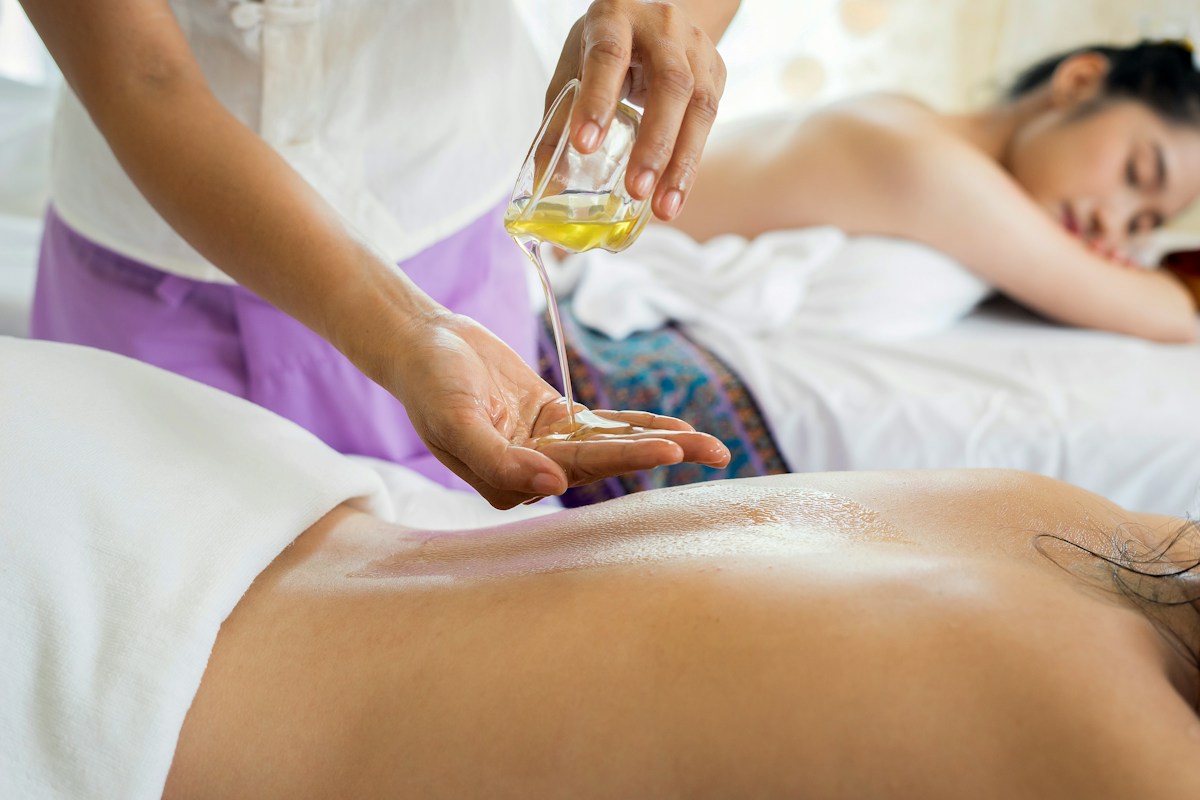
Abhyanga — Oil massage
Abhyanga involves the application of oil to the body using traditional massage movements.
Oils may be selected according to Ayurvedic practice, and the session may involve one or more therapists.
Massage may provide relaxation and temporary relief of muscle tension or discomfort in some people.
However, the benefits depend on the technique, condition and individual, and claims of curing disease through oil massage require evidence.
People with certain skin conditions, infections, blood-clotting concerns or recent injuries should obtain medical advice before treatment.
Shirodhara — Flow of liquid over the forehead
Shirodhara is a distinctive procedure in which a controlled stream of warm oil or another prepared liquid is directed over the forehead.
It is traditionally associated with relaxation and calming practices.
Some small studies have investigated sleep, stress and subjective well-being, but high-quality evidence establishing specific clinical benefits remains limited.
Pizhichil — Warm oil therapy
Pizhichil is a Kerala treatment involving warm medicated oil applied over the body while therapists perform gentle coordinated movements.
The temperature and duration require careful control to prevent burns or other complications.
Njavarakizhi — Medicated rice bolus therapy
Njavarakizhi, also called Shashtika Shali Pinda Sweda, involves the application of warmed cloth bundles containing specially prepared rice.
The rice is traditionally cooked using herbal preparations, sometimes including milk.
In Kerala, this therapy has a notable place in traditional treatment culture.
People should not assume it can reverse nerve damage, paralysis or degenerative disease without adequate clinical evidence.
Elakizhi or Patra Pinda Sweda
This method uses heated bundles containing leaves and other ingredients, applied to selected areas of the body.
Traditional practitioners may use it for musculoskeletal complaints.
Care is required to avoid burns, skin irritation or allergic reactions.
Podikizhi
Podikizhi uses warmed herbal powders enclosed in cloth bundles.
The procedure is associated with traditional external treatment of muscular and joint complaints.
Udvarthanam
Udvarthanam is a massage technique using herbal powders or pastes.
It is often marketed for skin care and body-shaping purposes.
Claims of substantial fat loss, cellulite elimination or metabolic disease reversal through this procedure are not established.
Nasya
Nasya refers to traditional administration of substances through the nasal passages.
It should not be attempted with homemade oils or powders. Inappropriate nasal products can cause irritation, aspiration or other complications.
Kati Basti
Kati Basti involves retaining warmed oil over a particular area of the lower back using a temporary boundary, often made with dough.
It is traditionally offered for localised discomfort.
It should not replace appropriate evaluation of persistent back pain, weakness, numbness or other neurological symptoms.
6. Panchakarma: The Five Traditional Procedures
Panchakarma is one of the most prominent treatment concepts in Ayurveda.
Its name literally refers to five actions or procedures.
Traditionally, these are:
1. Vamana — Therapeutically induced vomiting. 2. Virechana — Therapeutically induced purgation. 3. Basti — Administration of specialised enemas. 4. Nasya — Administration through the nasal route. 5. Raktamokshana — Bloodletting in certain classical traditions.
Some schools classify the procedures differently, including distinctions between types of Basti.
Panchakarma is often described commercially as detoxification, cleansing or rejuvenation.
However, the popular idea that healthy people need intensive procedures to eliminate unspecified accumulated toxins is not supported by established physiology.
The body already relies on organs and systems, especially the liver and kidneys, to process and eliminate waste substances.
Procedures involving vomiting, laxatives, enemas or bloodletting can cause dehydration, electrolyte disturbances, infection, injury or other serious complications.
Panchakarma should never be undertaken as an unsupervised home detox or routine spa treatment. Any invasive or medically consequential procedure requires careful assessment by appropriately qualified professionals.
7. Medicinal Plants Used in Ayurveda
Medicinal plants form a major component of Ayurvedic traditional practice.
India's botanical diversity has supported extensive knowledge of roots, bark, flowers, leaves, seeds, fruits and resins.
A plant may contain multiple biologically active substances, and these can vary with species, growing conditions, preparation and dose.
Traditional use does not automatically establish efficacy or safety.
Important medicinal plants
Plant — Botanical name — Traditional uses and important cautions
Ashwagandha — Withania somnifera — Traditionally used for vitality and stress; some limited evidence for stress and sleep, but potential thyroid, liver, pregnancy and interaction concerns
Tulsi — Ocimum tenuiflorum — Used in traditional respiratory and wellness preparations; clinical evidence remains limited
Neem — Azadirachta indica — Traditionally used for skin and oral hygiene; neem oil ingestion can be toxic, particularly in children
Turmeric — Curcuma longa — Culinary and traditional medicinal use; concentrated extracts may interact with drugs and have caused liver injury in some cases
Amla — Phyllanthus emblica — Traditionally used in tonics and formulations; nutritional value does not prove specific disease treatment
Guduchi / Giloy — Tinospora cordifolia — Traditional immune-related claims; liver injury has been reported with some products
Brahmi — Bacopa monnieri — Traditionally used for memory; some small studies, but no established treatment for dementia
Shatavari — Asparagus racemosus — Used in traditional women's-health preparations; high-quality clinical evidence is limited
Ginger — Zingiber officinale — Culinary use and some evidence for certain types of nausea; concentrates may have interactions
Yashtimadhu / Licorice — Glycyrrhiza glabra — Traditional respiratory and digestive uses; excess can raise blood pressure and lower potassium
Triphala — Blend of amla, haritaki and bibhitaki — Traditional digestive formulation; evidence and safety depend on the product
Guggulu — Commiphora wightii — Traditionally used in metabolic and joint formulations; interaction and sustainability concerns
Haridra — Curcuma longa — Sanskrit name for turmeric, widely used in Ayurveda
Vacha — Acorus calamus — Traditional use; certain constituents raise toxicological and regulatory concerns
Moringa — Moringa oleifera — Nutritious edible leaves; disease-treatment claims remain insufficiently established
Why botanical identification matters
Medicinal plants sometimes have several regional names.
A single local name may even refer to more than one species.
For this reason, a reliable medicinal plant directory should include the accepted botanical name, regional names, plant part used, source identification, quality testing, safety information and scientific references.
This is especially important when translating educational material among English, Malayalam, Hindi, Tamil and other Indian languages.
8. Ayurvedic Oils and Their Importance in Kerala
Herbal oils occupy a central place in Kerala's external treatment traditions.
The preparation may involve a base oil, herbal decoctions, pastes and controlled heating.
Some oils are simple preparations, while others contain numerous botanical ingredients.
Sesame oil
Sesame oil is a widely used traditional base oil.
Its texture and suitability for herbal preparation have made it important in Ayurvedic external therapies.
Coconut oil
Coconut oil is closely associated with Kerala's agricultural and domestic traditions.
It is used in hair care, skin care and selected herbal preparations.
Topical coconut oil may help moisturise skin, although the suitability of an oil varies with skin condition and sensitivity.
Ksheerabala Tailam
A traditional medicated oil often associated with Bala (Sida cordifolia), milk and sesame oil.
It has a longstanding place in external Ayurvedic practices.
Internal use or specialised preparations require professional guidance and product-specific safety assessment.
Dhanwantharam Tailam
A traditional compound oil used in various Kerala massage and treatment traditions.
Formulations contain multiple ingredients and may differ among manufacturers.
Mahanarayana Tailam
A compound herbal oil traditionally used for massage involving joints and muscles.
Its popularity should not be interpreted as proof that it reverses arthritis or structural joint disease.
Murivenna
A Kerala-associated medicated oil traditionally applied for certain external injuries and muscular complaints.
Open wounds, fractures and significant injuries require appropriate conventional medical assessment.
Neelibhringadi Tailam
An oil preparation popularly associated with traditional hair care.
Marketing claims about hair regrowth should be evaluated separately from evidence of simple conditioning or cosmetic benefits.
Kumkumadi Tailam
A traditional cosmetic oil formulation containing multiple ingredients, often marketed for facial skin care.
Products can vary considerably in composition and should be patch-tested where appropriate.
Kottamchukkadi Tailam
A traditional external oil formulation used in certain Kerala massage practices.
As with other medicinal oils, composition, skin tolerance and manufacturing quality matter.
The importance of quality
Consumers should examine products for:
• Clear ingredient lists and botanical identities.
• Manufacturer details and appropriate licensing.
• Batch number, manufacturing date and expiry date.
• Intended route of administration.
• Storage instructions and warnings.
• Product testing and traceability where available.
An external massage oil should never be assumed safe to drink.
9. How a Traditional Ayurvedic Treatment Programme Is Planned
A treatment programme generally begins with a consultation.
The practitioner may discuss the person's symptoms, medical history, previous treatments, food habits, sleep, daily routine and traditional constitutional assessment.
A responsible consultation should also establish conventional diagnoses, existing medications, allergies, pregnancy status and any conditions that could make proposed procedures unsafe.
A typical treatment sequence
Initial consultation
The practitioner gathers background information and explains the intended goals.
Treatment selection
An individualised programme may include counselling, diet, rest, external therapies or herbal preparations.
Preparation
Some traditional regimens include preparatory measures before more intensive procedures.
Treatment sessions
External treatments may be scheduled over several days, depending on the provider and the indication.
Observation and reassessment
The provider evaluates tolerance, adverse reactions and the person's response.
Follow-up
Dietary recommendations, activity guidance and later consultations may be provided.
Commercial treatment packages commonly advertise programmes lasting seven, fourteen, twenty-one or twenty-eight days. These are service patterns rather than scientifically established treatment durations for all diseases.
No provider should promise that a fixed-duration package will cure a chronic condition.
10. The Popularity of Ayurveda in India and Around the World
Ayurveda remains prominent in India because it is connected to family traditions, regional food practices, cultural identity, medicinal plants and established medical institutions.
Several factors have also contributed to its international visibility.
Growing interest in holistic wellness
Many people are interested in approaches that consider sleep, stress, nutrition, physical activity and emotional well-being together.
Ayurveda's traditional emphasis on routine and individual experience appeals to this interest.
Wellness tourism
Kerala has become internationally associated with Ayurveda resorts, massage therapies, herbal preparations and extended wellness stays.
Visitors may choose these experiences for relaxation, cultural exploration or complementary wellness services.
Herbal products
Ayurvedic herbs, oils, cosmetics and supplements are available through pharmacies, manufacturers, wellness businesses and online marketplaces.
However, popularity and commercial availability do not establish medical effectiveness.
Formal institutions and research
India has government agencies, colleges, hospitals, pharmacies and research organisations devoted to Ayurveda and other traditional systems.
Modern research is examining selected Ayurvedic compounds, formulations and practices using laboratory methods and clinical studies.
Continued scientific evaluation is essential to determine which interventions are beneficial, which are ineffective and which may cause harm.
11. Benefits of Ayurveda: What Is Traditional and What Is Scientifically Established?
Ayurveda is often described as providing benefits for digestion, sleep, stress, joint discomfort, vitality and general health.
These claims require careful interpretation.
Some aspects of Ayurvedic lifestyle advice resemble widely accepted health practices, such as regular physical activity, balanced meals, sufficient sleep and attention to stress.
Some individual plants, extracts or procedures have been studied for particular outcomes.
For example, small studies have investigated selected Ayurvedic formulations for osteoarthritis and diabetes-related outcomes.
But many trials have been small, short-term or methodologically limited.
It is therefore inaccurate to conclude that Ayurveda as a whole has been proven effective for all the conditions it traditionally addresses.
Potential areas of benefit
Relaxation and well-being
Gentle massage, restful environments and relaxation practices may improve subjective comfort for some people.
Healthy daily routines
Regular sleep, physical movement and sensible dietary habits can contribute to overall health, independent of the traditional explanations used for them.
Selected herbal compounds
Certain plants contain compounds of scientific interest, but benefits depend on the particular substance, preparation, dose, safety and strength of clinical evidence.
Supportive care
Some people may use selected traditional practices alongside conventional care, where their clinician has assessed potential interactions and risks.
Claims requiring particular caution
There is no adequate basis for claiming that Ayurveda universally cures cancer, diabetes, kidney failure, infertility, autoimmune disease or neurological disorders.
Nor should patients be encouraged to stop insulin, anticoagulants, epilepsy medicines, cancer treatments or other prescribed medications in favour of unverified herbal alternatives.
The safest approach is evidence-based evaluation of each intervention rather than accepting or rejecting every Ayurvedic practice as a group.
12. Safety, Side Effects and Responsible Use
The word natural does not mean harmless.
Plants produce powerful chemicals, and herbal products can cause adverse effects.
Some Ayurvedic formulations may also contain metals, minerals or other substances requiring particular caution.
The US National Center for Complementary and Integrative Health warns that some Ayurvedic products have been found to contain potentially toxic amounts of lead, mercury or arsenic.
Possible risks
• Liver injury or kidney injury.
• Allergic reactions and skin irritation.
• Interactions with prescription medicines.
• Excessive sedation or changes in blood pressure.
• Low blood sugar when combined with diabetes medication.
• Contamination or incorrect botanical identification.
• Dehydration and electrolyte problems after intensive cleansing procedures.
• Delays in diagnosis or effective treatment.
Pregnant women, breastfeeding mothers, children, older adults and people with chronic diseases need particular care.
Anyone considering an Ayurvedic preparation should inform their doctor and pharmacist of all medicines and supplements they use.
For serious illness, persistent symptoms or emergencies, timely conventional medical assessment is essential.
13. Ayurveda, Yoga, Food and Mental Well-Being
Ayurveda has historically interacted with wider Indian traditions involving food, philosophy, meditation and physical discipline.
Yoga and Ayurveda are distinct traditions, although they often appear together in contemporary wellness programmes.
Yoga practices may include breathing exercises, postures, meditation and relaxation.
Some forms of yoga have evidence supporting benefits for particular health outcomes, but their suitability varies by age, health status and physical ability.
A comprehensive approach to well-being can appropriately include nutritious food, regular exercise, stress management, sleep, social connection and professional medical care.
These measures should be understood as complementary parts of healthy living rather than substitutes for necessary treatment.
14. Choosing an Ayurveda Doctor or Treatment Centre
Patients and wellness visitors should evaluate providers carefully.
In India, professional registration, training, institutional credentials and relevant licensing are important.
Before choosing a centre, consider:
• Whether the practitioner has recognised Ayurveda qualifications and current professional registration.
• Whether the establishment has the necessary licences and appropriate clinical facilities.
• Whether staff explain treatment goals, limitations and risks.
• Whether ingredients and medicine labels are disclosed.
• Whether there is a clear policy for managing adverse reactions and emergencies.
• Whether package prices, exclusions, accommodation, cancellation terms and additional charges are transparent.
• Whether patient privacy, hygiene and informed consent are respected.
• Whether claims are realistic rather than promising guaranteed cures.
For visitors seeking only relaxation, the distinction between a spa service and medical treatment should be made clear.
The availability of traditional therapies should not be treated as evidence that a resort is equipped to manage complex medical conditions.
15. The Future of Ayurveda in India and Kerala
Ayurveda has important opportunities in research, education, conservation, responsible wellness tourism and the documentation of traditional knowledge.
Better scientific research
Well-designed clinical trials can help identify which interventions offer meaningful benefits and which do not.
Research should use clearly identified ingredients, standardised formulations, appropriate comparison groups and transparent adverse-event reporting.
Quality-controlled medicines
Botanical identification, manufacturing standards, contamination testing and reliable ingredient disclosure are crucial.
Conservation of medicinal plants
Unregulated harvesting threatens certain medicinal species.
Cultivation, sustainable sourcing and botanical conservation can support both ecological protection and traditional livelihoods.
Preserving classical knowledge
Digital archives can help conserve manuscripts, regional medical literature, practitioner histories and medicinal plant knowledge.
Kerala's Sanskrit and Malayalam medical literature offers valuable opportunities for academic preservation and translation.
Responsible health tourism
Kerala can continue developing its Ayurveda tourism sector through transparent services, competent practitioners, quality control and effective consumer protection.
Digital education and multilingual access
Digital platforms can make Ayurveda more accessible through clear educational articles, plant identification resources, scientific references and explanations in Indian languages.
They should avoid presenting AI-generated medical advice as an independently verified diagnosis or prescription.
16. The Role of Ayurvedam.com
Ayurvedam.com can serve as an educational gateway to the historical, botanical, cultural and contemporary dimensions of Ayurveda.
A comprehensive resource should bring together:
• The history and foundations of Ayurveda.
• Classical texts and the contributions of Indian scholars.
• Kerala's Ayurveda heritage and physician traditions.
• Detailed explanations of treatments and procedures.
• A searchable medicinal plant and herbal oil directory.
• Traditional formulations, ingredients and safety information.
• Ayurveda education, training and research institutions.
• Verified practitioners, clinics, hospitals and wellness centres.
• Responsible wellness tourism and treatment information.
• News, research developments and regulatory updates.
• Educational resources in English, Malayalam and other languages.
• AI-assisted questions grounded in medically reviewed information.
The objective should be to help visitors understand Ayurveda, evaluate its claims and find reliable resources while recognising the continued importance of scientific evidence and professional medical care.
Conclusion: Preserving Tradition Through Knowledge and Responsibility
Ayurveda is one of India's most remarkable surviving intellectual and medical traditions.
Its history reaches across centuries of scholarship, botanical observation, family knowledge, regional practices and philosophical inquiry.
Kerala has contributed a particularly rich legacy through its physician families, classical literature, herbal resources, treatment techniques and educational institutions.
Ayurveda's continuing popularity reflects both its cultural importance and widespread interest in approaches to healthy living.
But preserving a tradition does not require accepting every historical claim without examination.
Its future can be strengthened through good research, responsible practice, transparent medicine quality, professional education, environmental conservation and honest communication about benefits and risks.
Ayurveda is best appreciated as a living body of traditional knowledge—one whose historical contributions deserve preservation and whose medical interventions deserve careful, individual scientific evaluation.
References and Further Reading
1. National Center for Complementary and Integrative Health (NCCIH). Ayurvedic Medicine: In Depth. https://www.nccih.nih.gov/health/ayurvedic-medicine-in-depth 2. Kerala Tourism. History of Ayurveda. https://www.keralatourism.org/ayurveda/history 3. Department of Indian Systems of Medicine, Government of Kerala. About Ayurveda. https://www.ism.kerala.gov.in/eng/index.php/about/about-us/about-ayurveda 4. Historical research. The Ashtavaidya Physicians of Kerala: A Tradition in Transition. https://pmc.ncbi.nlm.nih.gov/articles/PMC3117315/ 5. P. R. Variar. The Ayurvedic Heritage of Kerala. https://pmc.ncbi.nlm.nih.gov/articles/PMC3331432/ 6. Historical review. Physicians of Ancient India. https://pmc.ncbi.nlm.nih.gov/articles/PMC5084543/
Medical Disclaimer
This article is intended for general education and cultural understanding. It does not provide an individual diagnosis, treatment recommendation or prescription. Traditional uses are described as historical or contemporary practices and should not be interpreted as proof of effectiveness. Consult an appropriately qualified healthcare professional before using herbal medicines, undertaking invasive Ayurvedic procedures or making changes to prescribed treatment.
Editorial review status: Draft for publication. Clinical claims, product-specific information and current regulatory details should be reviewed by qualified professionals before publishing on Ayurvedam.com.
Suggested publication setup for Ayurvedam.com
SEO information
RECOMMENDED URL
`/about-ayurveda/history-practices-treatments-herbs-kerala/`
META TITLE
Ayurveda: History, Benefits, Herbs & Kerala Traditions
META DESCRIPTION
Discover Ayurveda's history in India and Kerala, traditional treatments, Panchakarma, medicinal herbs, oils, wellness practices, benefits and safety.
SUGGESTED CATEGORIES
About Ayurveda · Kerala Ayurveda · Ayurveda Treatments · Medicinal Herbs · Traditional Medicine
Recommended related articles
To make this a cornerstone resource, I recommend linking it to these dedicated articles:
1. History of Ayurveda in India: From the Vedas to modern institutions. 2. Kerala Ayurveda and the Ashtavaidya Tradition: Physicians, families and historical contributions. 3. 25 Popular Ayurvedic Treatments: Procedures, indications, evidence and precautions. 4. 100 Medicinal Plants Used in Ayurveda: Botanical names, Malayalam names, traditional applications and safety. 5. 50 Ayurvedic Oils and Formulations: Ingredients, preparation methods, traditional uses and manufacturers. 6. Panchakarma Explained: Procedures, limitations, clinical safety and what to expect. 7. Ayurveda Wellness Tourism in Kerala: Choosing doctors, hospitals, treatment centres and resorts. 8. Ayurveda and Modern Medicine: Research, benefits, limitations and drug interactions.
The history sections are supported by Kerala Tourism, the Kerala Department of Indian Systems of Medicine and published scholarship on the Ashtavaidya tradition. The effectiveness and safety distinctions are consistent with NCCIH's clinical-evidence review. 
image
Kerala Ayurveda+3
For the Lovable migration, this article can become the main About Ayurveda reference page, with the eight related articles developed as interconnected educational sections rather than duplicating content across multiple pages.