Kerala, the narrow green state on India’s south-west coast, is widely regarded as the place where Ayurveda never stopped being a living medicine. While the system declined elsewhere under colonial rule, Kerala’s physician families kept practising, teaching and making their own medicines.
The Ashtavaidyas
At the heart of this continuity are the Ashtavaidya families — Namboothiri lineages of physicians masters of all eight branches (ashtanga) of Ayurveda. They preserved the texts of Vagbhata, particularly the Ashtanga Hridayam, which remains the core textbook in Kerala to this day, and passed down clinical experience through generations.
Therapies that are distinctly Keralan
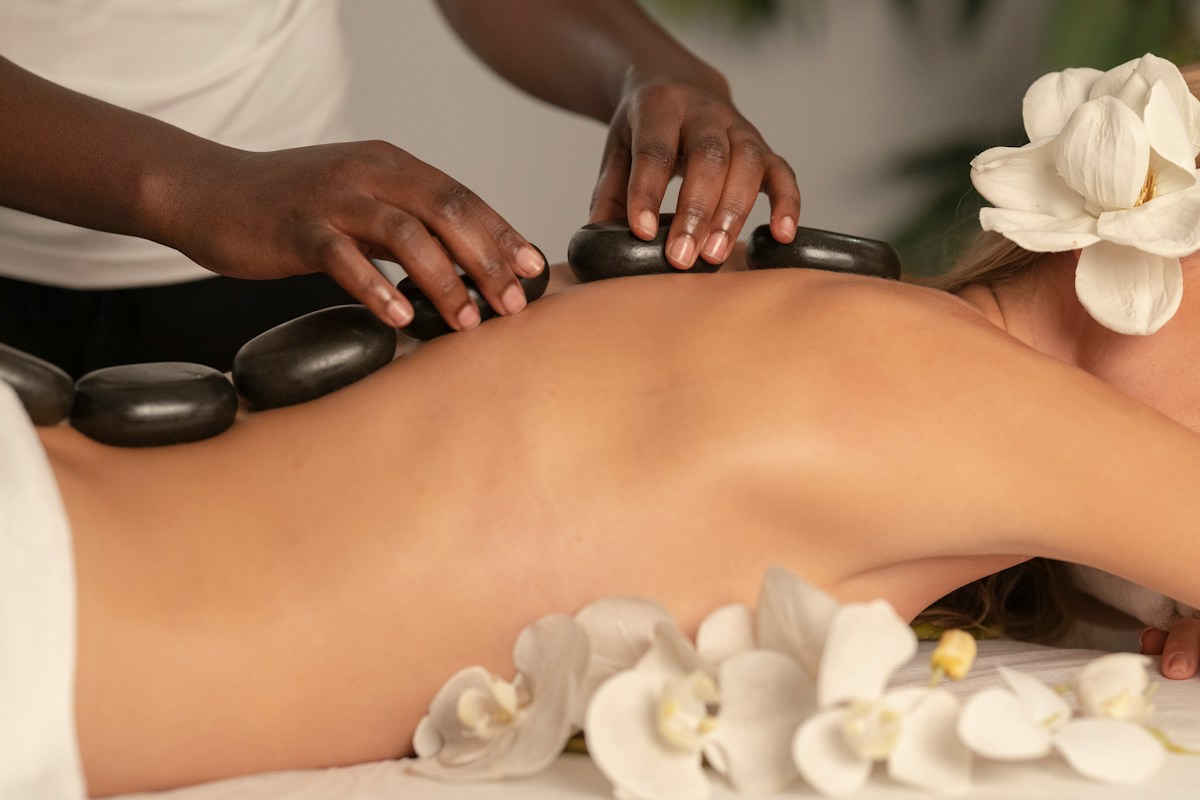
Kerala developed a rich family of external therapies, sometimes called Keraleeya Panchakarma. Pizhichil bathes the body in streams of warm medicated oil while it is massaged. Njavarakizhi uses poultices of Njavara rice cooked in milk and herbal decoction. Shirodhara pours a steady stream of oil, buttermilk (takradhara) or milk over the forehead. Thalapothichil applies a herbal paste to the scalp, and Udvartana uses dry herbal powders for massage.
Land, climate and plants
The Western Ghats are one of the world’s biodiversity hotspots, and many of the herbs used in classical formulations grow here. The humid monsoon climate is also considered ideal for oil therapies, because the pores are open and the body is receptive — which is why many Keralans undergo treatment during Karkidakam.
Ayurveda today
Kerala has government Ayurveda colleges and hospitals, a Department of AYUSH, and centres accredited by the state’s ‘Green Leaf’ and ‘Olive Leaf’ classification schemes. When choosing a centre, look for qualified physicians, a consultation before any therapy, and openness about what each treatment involves.